
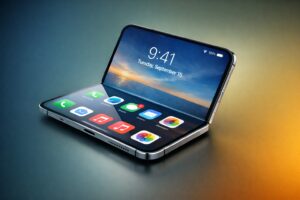
Apple is expected to release a foldable iPhone in fall 2026.
Apple’s leaked 2026–2027 product roadmap, reported by MacRumors, suggests far more than routine hardware refreshes. It points to a period of strategic rebalancing, where Apple appears to be consciously stepping back from certain ambitious bets while doubling down on hardware categories that better align with its ecosystem maturity, cost discipline, and long-term AI ambitions.
Rather than expanding aggressively across every emerging form factor, Apple seems to be consolidating focus. The roadmap indicates a company reassessing where scale, profitability, and user adoption realistically intersect—simplifying its XR ambitions, reshaping the iPhone release cycle, and reallocating resources toward AI-first devices and proven product lines with clearer commercial paths.
One of the most telling signals comes from Apple’s evolving stance on AR and VR.
After years of investment culminating in Vision Pro, Apple is reportedly pausing or deprioritizing multiple headset-related initiatives. Lighter, lower-cost headset variants, Mac-tethered AR glasses, and other experimental XR projects have either been delayed or placed on hold, while engineering attention shifts toward AI smart glasses and related wearable AI concepts. This does not mean Apple has abandoned spatial computing as a long-term vision. Instead, it suggests a more cautious, staged approach—one that prioritizes near-term practicality over pushing expensive, low-volume hardware into an unready market.
Interestingly, Apple is not alone in this reassessment. Meta is significantly reducing its metaverse investments — cutting up to 30% of Reality Labs’ budget after years of heavy losses — and redirecting resources toward artificial intelligence and wearable device development, including AI-focused glasses and other hardware. This shift reflects broader industry recalibration as immersive AR/VR projects face commercial headwinds and AI technologies promise clearer near-term paths to adoption and monetization. While Apple and Meta approach hardware and ecosystems differently, both appear to be converging on the same conclusion: pure AR/VR remains strategically important but commercially premature, whereas AI-first products offer clearer paths to scale.
At the opposite end of the spectrum, Apple appears to be reinforcing its most reliable hardware foundations.
The potential return of iMac Pro after years of absence, continued investment in Mac Studio and professional displays, and steady updates across the MacBook lineup all point to Apple protecting its professional and premium user base. These are categories with predictable demand, strong margins, and deep integration into creative and enterprise workflows. Rather than chasing novelty alone, Apple is signaling renewed confidence in its high-end computing ecosystem.
Foldable devices offer another example of Apple’s more selective experimentation. Instead of pursuing multiple foldable form factors simultaneously, the roadmap suggests Apple is prioritizing a foldable iPhone while delaying foldable iPad development. This narrowing of focus implies a deliberate choice to concentrate resources where consumer impact and volume potential are highest.
The roadmap also highlights a structural shift in how and when Apple launches products.
For years, Apple’s iPhone strategy centered on synchronized annual releases. That rhythm is now loosening. Flagship and experimental models are increasingly prioritized in the traditional fall window, while standard models are pushed to later release dates. This staggered approach gives Apple greater flexibility in manufacturing, supply-chain management, and product storytelling—particularly as device complexity and component costs continue to rise.
Beyond personal devices, Apple’s smart home ambitions continue to advance at a measured pace. New home hubs, refreshed HomePod and Apple TV models, and even the possibility of a future desktop robot suggest Apple is treating the home as a long-term ecosystem investment rather than a short-term growth driver.
Taken together, Apple’s 2026–2027 roadmap looks less like an aggressive expansion and more like a strategic correction. Risk is being trimmed, experimental efforts are being narrowed, and resources are flowing toward AI-enabled hardware and core products that anchor Apple’s broader ecosystem.
Apple 2026–2027 Roadmap: Strategic View
Key Products in Apple’s 2026–2027 Roadmap (Reference)
| Category | Product | Expected Timing |
|---|---|---|
| iPhone | iPhone 17e | Early 2026 |
| Foldable iPhone | Fall 2026 | |
| iPhone 18 Pro / Pro Max | Fall 2026 | |
| iPhone 18 / 18e | Spring 2027 | |
| 20th Anniversary iPhone | Fall 2027 | |
| iPad | iPad 12 | Early 2026 |
| iPad Air (M4) | Early 2026 | |
| iPad mini 8 | Late 2026 | |
| Mac | MacBook Air (M5) | 2026 |
| MacBook Pro (M5 Pro / Max) | 2026 | |
| MacBook Pro (M6, redesigned OLED) | Late 2026 / Early 2027 | |
| iMac Pro (return, M5 Max) | 2026 | |
| Home & Ecosystem | Smart Home Hub (new category) | Early 2026 |
| HomePod mini 2 | Early 2026 | |
| Apple TV (refresh) | Early 2026 | |
| Desktop home robot | 2027 | |
| Wearables / Accessories | Apple Watch Series 12 | Fall 2026 |
| AirTag 2 | Early 2026 | |
| Strategic Shift | AI smart glasses | Late 2026 / 2027 |
| Paused / De-prioritized | Vision Air, AR/VR headsets, foldable iPad | No release |
Why This Roadmap Matters for Hardware Lifecycle Decisions
When Apple pauses, delays, or restructures product lines, the impact extends well beyond product launches. These shifts ripple through enterprise upgrade cycles, depreciation curves, and secondary hardware markets. Devices tied to deprioritized categories often enter resale channels sooner, while renewed or refocused product families can extend usable life and delay replacement timelines.
For businesses, IT teams, and professionals managing Apple hardware at scale, understanding Apple’s strategic direction is critical. Roadmap signals help inform smarter decisions about when to hold, redeploy, upgrade, or divest Apple devices as part of a broader IT asset and sustainability strategy.
BuySellRam.com specializes in helping organizations navigate these transitions. We provide a secure, transparent platform to evaluate and sell used Apple devices—whether you are managing surplus Macs, iPhones, iPads, or professional hardware impacted by changing product strategies.
As Apple’s roadmap evolves, aligning your hardware decisions with real market signals can protect asset value and reduce waste.
Sell your Apple devices with confidence:
https://www.buysellram.com/sell-apple-device/