
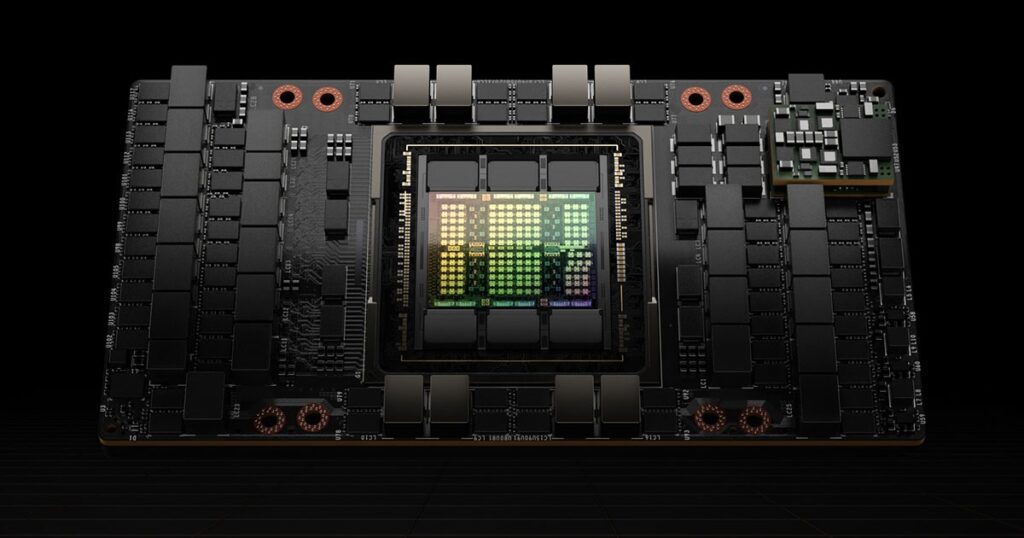
NVIDIA H100 GPU
Selling used IT equipment in bulk usually starts with price, but price is only part of the deal. A high quote can lose some of its appeal if the seller is paying expensive freight, the buyer can reprice everything after inspection, payment takes weeks, or the transaction eats up hours of staff time. For a company trying to clear out surplus hardware, a good sale is one that gets the equipment moved, keeps the process under control, and still recovers a reasonable amount of value.
The following three questions decide how it goes. What does the seller actually know about the equipment before the first buyer call? Which channel fits the lot, and what separates a serious buyer from one that burns a month? And once an offer is on the table, what needs checking before the hardware ships and the deal gets hard to unwind?
Three Things to Know Before Requesting Quotes
1. Knowing exactly what to be retired
The first decision is whether to sell complete servers or only the components inside. A complete GPU server may have fewer potential buyers, but it also has value as a working, testable system. Parting it out can produce a better total return when the GPUs or other components carry most of the resale value. When that is unclear, price the hardware both ways before any parts come out.
This guide focuses mainly on selling components. And the first thing you need is to create a useful inventory.
Start with the part number and model number. The model name tells a buyer the product family, but the part number is often more useful because it identifies the exact version, including OEM-specific configurations that may share the same commercial model name. Memory capacity matters, especially when the same model was sold in more than one VRAM configuration.
Then describe the condition precisely. Was the GPU working before it was removed? Was it tested individually after removal? Is there any physical damage? A card that was individually tested is not the same as one that was simply pulled from a running server, even though both may work at the time of decommissioning.
PCIe and SXM GPUs should also be listed separately. PCIe cards install in a much wider range of servers and workstations, so the buyer pool is generally broader. SXM modules require a compatible baseboard, system design, and cooling setup, which makes compatibility more important and narrows the number of potential buyers. If selling loose SXM modules, record which system they came from and whether they were removed as a matched group rather than mixing them together without that history.
Last, workstation GPUs are usually easier to inventory. For most of them, the model, part number, memory size, and condition give a buyer most of what is needed to start pricing the lot.
2. Checking the export control status
One issue many GPU selling guides overlook is export control. Export controls deserve closer attention when the buyer is overseas, you can’t clearly verify who they are. A domestic sale may be simpler, but it does not by itself settle the question of where the hardware will ultimately go.
This matters most with high-end AI accelerators. NVIDIA A100, H100 and H200 GPUs, along with AMD MI300X and similar hardware, can be subject to export restrictions depending on the destination and end user. So the model alone doesn’t settle the question.
A domestic transaction is generally simpler than an export, but selling to a U.S. buyer does not by itself answer every export-control question if the hardware is intended for reexport or there are end-user or diversion concerns. For advanced accelerators, check the item’s current classification against Part 742, and the parties, end use and ultimate destination against BIS’s Know Your Customer guidance and red flags.
3. Pulling GPU’s health data
Per-card health data is what a price conversation runs on. While the systems are still up, pull it from every unit before decommissioning. This is often one of the first things a buyer will check anyway.
Collecting this data before shutdown can reduce uncertainty in the quote. Without health information, a buyer has to allow for cards that may fail inspection later, often through a repricing clause after the shipment arrives. Telemetry does not replace full testing. ECC and row-remapping data, for example, do not demonstrate interconnect stability, thermal behavior, or reliability under sustained load. But they give both sides considerably more information before the GPUs leaves the facility.
For NVIDIA Ampere and later GPUs,
nvidia-smi -qreports ECC errors and row-remapping status. The Remapped Rows section includes correctable and uncorrectable row counts, along with Pending and Remapping Failure Occurred status. A pending remap means the operation has not yet taken effect and requires a GPU reset; a remapping failure is a more serious condition. NVIDIA uses its field diagnostic for the final RMA determination. AMD exposes comparable ECC information throughamd-smi metric -e, including correctable, uncorrectable, and deferred ECC errors. The fields differ between vendors, but both provide a buyer with more useful evidence than simply describing the cards as “pulled working.”
Choosing the Right Channel to Sell Surplus GPUs
Once the inventory is ready, the next question is where to sell them. An established ITAD provider or direct enterprise hardware buyer, for bulk inventory, is usually one of the first channels worth comparing. Brokers can help with more specialized hardware, while general-purpose marketplaces such as eBay tend to make more sense for smaller quantities or sellers already set up for individual sales. Institutional GPU marketplaces are a separate option for larger or more specialized transactions.
A. IT Asset Disposition (ITAD) companies
ITAD companies specialize in retired IT equipment. Their jobs cover much more than finding a buyer: transportation and chain of custody, asset tracking, remarketing, recycling, and data sanitization are all common parts of ITAD work.
How the money side works depends on the company. Some ITAD providers buy the equipment outright and take title to it. Others remarket the hardware on the seller’s behalf, sometimes under a consignment or revenue-sharing arrangement. BuySellRam.com, for example, buys surplus GPU inventory directly, including workstation, server and data-center GPUs, and its current process is built around a quote, shipment to its facility, inspection and payment.
That makes ITAD a strong fit for bulk inventory. The seller doesn’t have to find a separate home for every card, and a provider that already deals in enterprise hardware may have buyers that an ordinary company would never reach on its own. The downside is pretty obvious too: if the ITAD company is buying the lot for resale, it needs room between what it pays and what it expects to recover later.
The harder part is choosing the right ITAD company, because the label alone doesn’t say much about its GPU business. A firm that mainly processes laptops, monitors and office equipment may be perfectly legitimate but still have a weak market for H100s, A100s or SXM modules. Ask what kinds of GPU lots it normally handles, whether it is actually buying the equipment or remarketing it, and where demand for that hardware comes from. References and operating history matter here too. A buyer that regularly handles data-center equipment should be able to explain its process without turning every answer into a sales pitch.
Certifications are useful, but they shouldn’t replace that homework. R2v3 and e-Stewards are two established standards in electronics reuse and disposition; R2 certification also has a defined facility scope, so the actual certificate matters more than an R2 logo on the homepage.
B. Brokers
A broker is useful when the GPUs need a specific buyer rather than a broad market. That happens with older enterprise configurations, for example, when another operator is still expanding systems built around the same hardware. The broker’s value is the network: knowing who is looking for that exact model and quantity.
Some brokers buy the equipment themselves. Others only arrange the downstream sale. Ask three things before treating the number as an offer: who is actually buying the GPUs, whether the price is firm, and when payment happens. A firm purchase and a broker saying “we think we can place this lot” are different transactions.
C. Online marketplaces and GPU trading platforms
For one or two GPUs with broad demand, a marketplace such as eBay can still be a good option. The seller gets direct access to buyers and may get a stronger price per card, but also handles the listing, testing, packing, shipping, returns, and whatever inventory does not sell quickly. That becomes less attractive as the lot gets larger.
Enterprise GPUs are also starting to get their own trading platforms. Compute Exchange launched a marketplace for used and refurbished data-center GPUs in July 2026, with H100 and A100 hardware among its initial targets. The platform connects sellers with institutional buyers rather than purchasing the hardware itself.
Stoa Markets takes a more institutional approach. Its marketplace is designed for verified counterparties trading physical GPU hardware. Stoa itself does not buy the GPUs or become a party to the trade; it acts as a venue for matching, price discovery, and transaction execution.
That distinction matters. A marketplace or trading platform may connect a seller directly with an AI company, data-center operator, cloud provider, reseller, or other end user without that buyer being a separate “sales channel.” The platform is the channel; the organization purchasing the hardware is the counterparty.
From Offer to Payment
Compare offers on the same basis
Once potential buyers have been identified, get several quotes for the same lot. The comparison only means something if the quantity, condition, shipping point, and testing assumptions are the same. A higher headline number with seller-paid freight and broad repricing rights is not directly comparable with a slightly lower one that includes pickup and tight inspection terms.
Ask for the payment schedule in plain language. How much is paid before or at receipt? How much waits for inspection? How long does testing take? If some GPUs fail, the agreement should already say how those units will be priced or returned.
Agree on inspection before shipping
This is where many bulk quotes can change. If the inventory says “tested working,” the buyer will expect the shipment to match that description; if the GPUs are untested pulls, say so before the quote is finalized.
Health logs help, but most buyers will still run their own tests. The important part is knowing what gives the buyer the right to reprice the lot after inspection and what happens if the two sides disagree.
If complete servers or storage devices are part of the sale, settle data handling at the same time. Loose GPUs do not store user data after power is removed, but SSDs, HDDs, and other data-bearing devices may need documented sanitization before resale.
Plan the shipment
For a high-value GPU lot, shipping deserves more than a tracking number. Use ESD-safe packaging, protect the PCB and connectors from movement, and use the original packaging when it is still available. Large shipments are usually better palletized than sent as a pile of loose cartons.
Record the serial numbers before pickup, photograph the packed shipment, confirm insurance, and keep the freight documents. If 48 GPUs leave the facility and only 47 are recorded at arrival, those records become very useful.
Check the rest of the decommission
Before the pickup is booked, check what else is being retired. A GPU project often leaves behind server RAM, CPUs, SSDs, NICs, and complete systems, and the same buyer may want some or all of them.
Combining categories can simplify the logistics, but they should still be valued separately. If an entire GPU cluster is being retired, the process becomes closer to a full data-center disposition project than a simple GPU sale. This case is covered by guide to NVIDIA A100, H100 and H200 cluster liquidation.
P.S. If you are looking to sell GPU inventory in bulk, BuySellRam.com buys surplus workstation, server, and data-center GPUs directly. Send us your inventory list to request a quote.